Powered by TRIAL.OS
Focus on real risk, not more metrics
Centralized monitoring was meant to sharpen focus. Too often it adds noise.
Static metrics, no direction
Dashboards report numbers but not which risks are moving or what to do about them, so review meetings become data-gathering instead of decision-making.
Disconnected data
Clinical and operational data sit in separate systems. Signals that only appear when the two are combined are missed or found too late to act on.
Effort in the wrong places
Without clear priorities, teams fall back on blanket monitoring, which adds cost and site burden without adding assurance.
The result: more effort, less confidence, and a harder story to tell at inspection.
From data to decision in three steps
-
1Connect Your Study Data
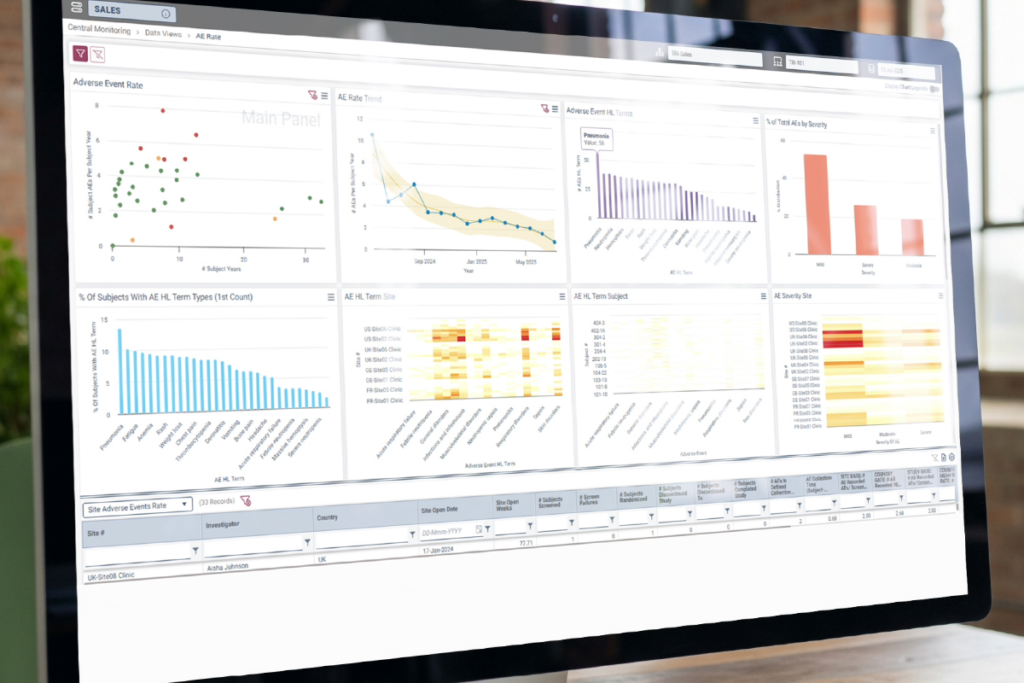
Bring clinical and operational data together into one environment, linked to the risks identified in your risk assessment. Everyone works from the same picture.
-
2See Evolving Risk Signals
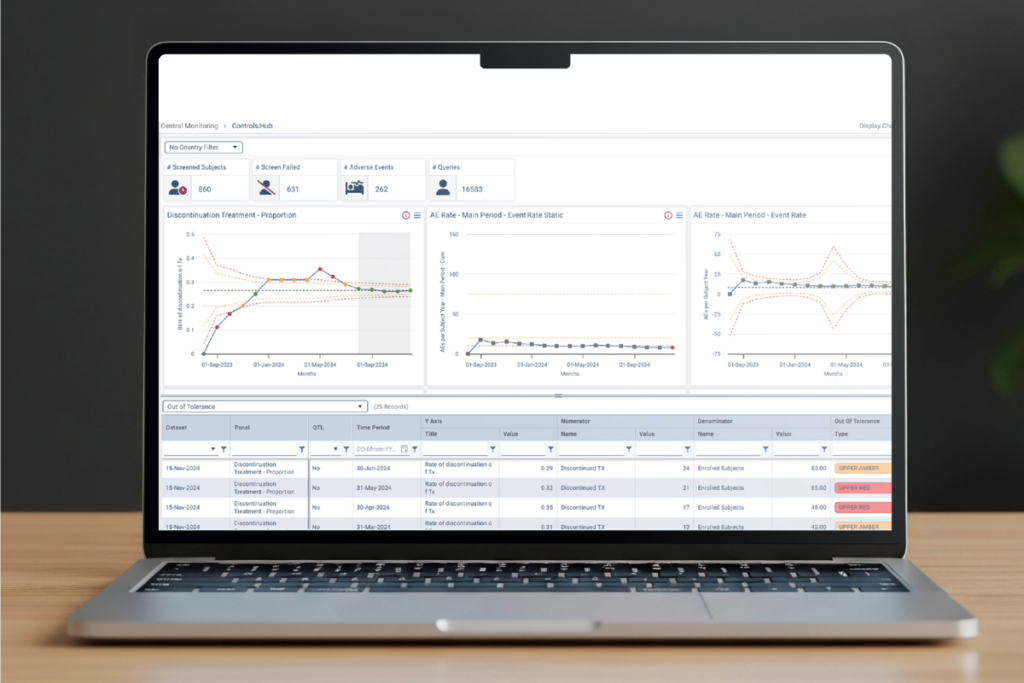
KRIs, QTLs and statistical data monitoring run side by side, so you see how risk is changing across sites over time, not just this month’s numbers. TRIAL.OS ranks each signal and explains it in plain language.
-
3Prioritize, Act, and Document
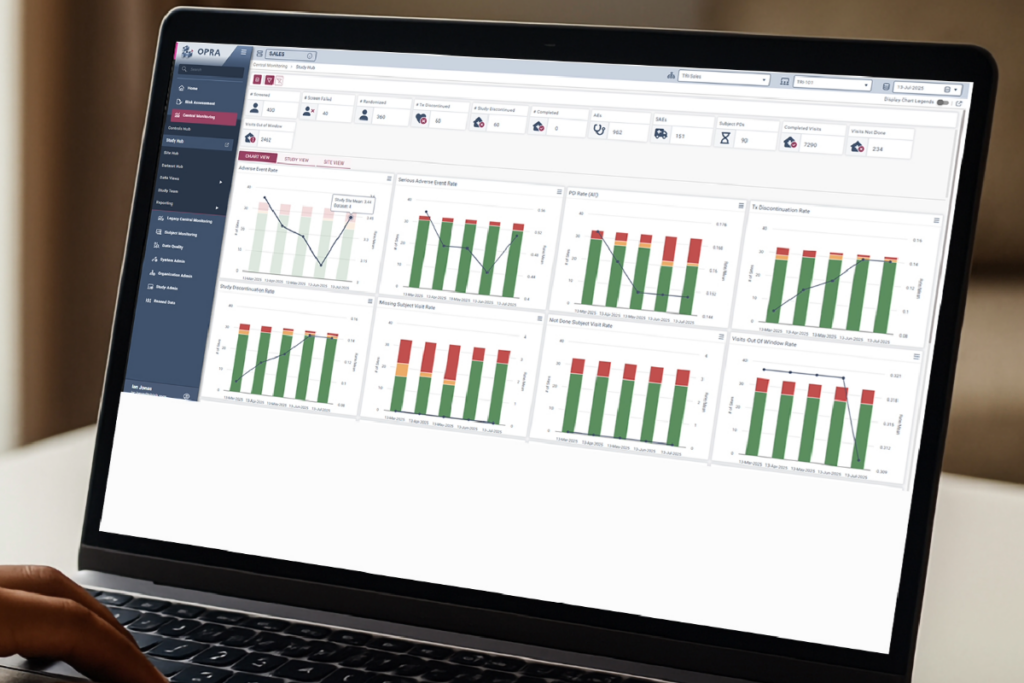
Direct follow-up to the sites and issues that need it, assign owners and due dates, and capture every decision in an audit trail that’s ready for inspection.
See OPRA-CM in [2] minutes
What we offer
Built for the whole oversight team
One shared view of study risk, with what each role needs to act on it.
Central Monitor
DAILY USER
- Evolving risk signals across sites in one view
- Clear priorities instead of static metrics
- [Review workflow detail]
RBQM / Risk Lead
CHAMPION
“Is our risk strategy working, and can we show it?”
- Evolving risk signals across sites in one view
- Clear priorities instead of static metrics
- [Review workflow detail]
Head of Clinical Operations
DECISION-MAKER
“Are we spending monitoring effort where it matters?”
- Site prioritisation to target monitoring effort
- Less unnecessary monitoring activity
- [Portfolio or cross-study view — validate]
CRA / Site Monitor
FIELD USER
- Targeted follow-up actions from central signals
- [Site-level view for CRAs — validate access model]
Quality & Compliance
INFLUENCER
- Every signal, decision and action on record
- Oversight aligned to ICH E6(R3)
FOR SPONSORS
[One line — e.g. oversight of outsourced studies you can see and evidence]
What we offer
Built for the whole oversight team
One shared view of study risk, with what each role needs to act on it.
-
Which sites and signals need my attention this week?
- KRIs, QTLs and statistical signals for every site, ranked in one view
- A plain-language explanation of why each signal fired
- Follow-up raised, assigned and tracked without switching tools
Central Monitor
-
Is our risk strategy working, and can we show it?
- Each risk traced from your OPRA-RAM assessment to the signals monitoring it
- A clear view of whether mitigations are working as the study progresses
- Evidence ready for leadership, sponsors and inspectors
RBQM / Risk Lead
-
Are we spending monitoring effort where it matters?
- Ranked site risk to direct on-site and remote monitoring effort
- Less blanket monitoring activity that doesn’t change outcomes
- Portfolio view across studies
Head of Clinical Operations
-
What should I focus on at my next site contact?
- Targeted follow-up actions drawn from central signals
- Each action arrives with context, an owner and a due date
- Site-level view for CRAs
CRA / Site Monitor
-
Can we evidence proportionate oversight at inspection?
- Every signal, decision and action on record
- Oversight aligned to ICH E6(R3)
- Reports ready the moment an inspector asks
Quality & Compliance
From signal to targeted action
Detected
Emerging signals across your study are flagged and ranked by risk, so your team sees what matters most first.
Reviewed
Each signal comes with context, including the trend behind it, related signals at the same site, and a plain-language explanation from TRIAL.OS, so reviewers can quickly judge whether it needs action.
Action Assigned
Signals that need follow-up become actions with a clear owner, due date and site, visible to the whole team.
Resolved and Documented
Every outcome is recorded with its rationale, including a decision to take no action, building an inspection-ready record as the study runs.
Ready
Not another dashboard
Dashboards show you numbers. OPRA-Centralized Monitoring shows you which ones matter, why, and what to do next, and keeps the record.
| Capability | Spreadsheets and BI Dashboards | Standalone Statistical Monitoring Tools | OPRA-CM Centralized Monitoring |
|---|---|---|---|
| Clinical and Operational Data in One View | Manual merge | Varies | Built in |
| Risks from Risk Assessment Carried into Monitoring | Not connected | Varies | Built in via OPRA-RAM |
| KRIs and QTLs Tracked Together | Manual | Partial | Built in |
| Statistical Data Monitoring | No | Yes | Yes |
| Signals Ranked and Explained in Plain Language | No | Limited | TRIAL.OS |
| Signal → Action → Resolution Tracked | Separate tools | Varies | Built in |
| Audit Trail for Inspection | Manual | Varies | Built in |
| Full Coverage |
One source of truth for centralized monitoring
Ask AI how OPRA Centralized Monitoring connects clinical and operational data so teams act faster.
Connected to OPRA Risk Assessment and Management
The Risks You Assessed Are the Risks You Monitor
Manage and prioritize risks in one platform, assign an owner to every action, and stay audit-ready with full visibility of mitigations through closeout.
Connected to OPRA Subject Monitoring
Clarity on Every Subject
See every visit, AE, lab, and assessment on one time-aligned timeline, spot meaningful shifts sooner, and capture every review action in a built-in audit trail.
Questions about OPRA-CM
Which data sources can OPRA-CM use?
OPRA-CM brings clinical and operational data into one place. Common sources include EDC, CTMS, IRT/RTSM, labs, ePRO/eCOA, safety databases and protocol deviation logs. If you use a source not listed here, we map it during setup.
How does OPRA-CM support ICH E6(R3)?
ICH E6(R3) asks sponsors to focus oversight on what matters most to participant safety and reliable results. OPRA-CM turns the critical-to-quality factors in your risk assessment into KRIs and QTLs. It uses statistical monitoring to find unusual patterns, and it records every decision and action in a time-stamped audit trail, ready for inspection.
How long does it take to set up a study?
It depends on the study, so we agree a timeline with you at kickoff. The main factors are how quickly data transfers are in place and how many sources the study uses. Later studies in the same programme reuse the existing configuration and go live faster.
Can CROs use OPRA-CM across multiple sponsors?
Yes. Each sponsor’s data is kept in its own study environment, and role-based access means sponsor teams see only their own trials. Your team works in one tool across the whole portfolio, with a standard KRI library you can adjust for each protocol.
See OPRA-CM on a study like yours
TRI insights & news
Keep reading
Practical thinking on RBQM, oversight and inspections.